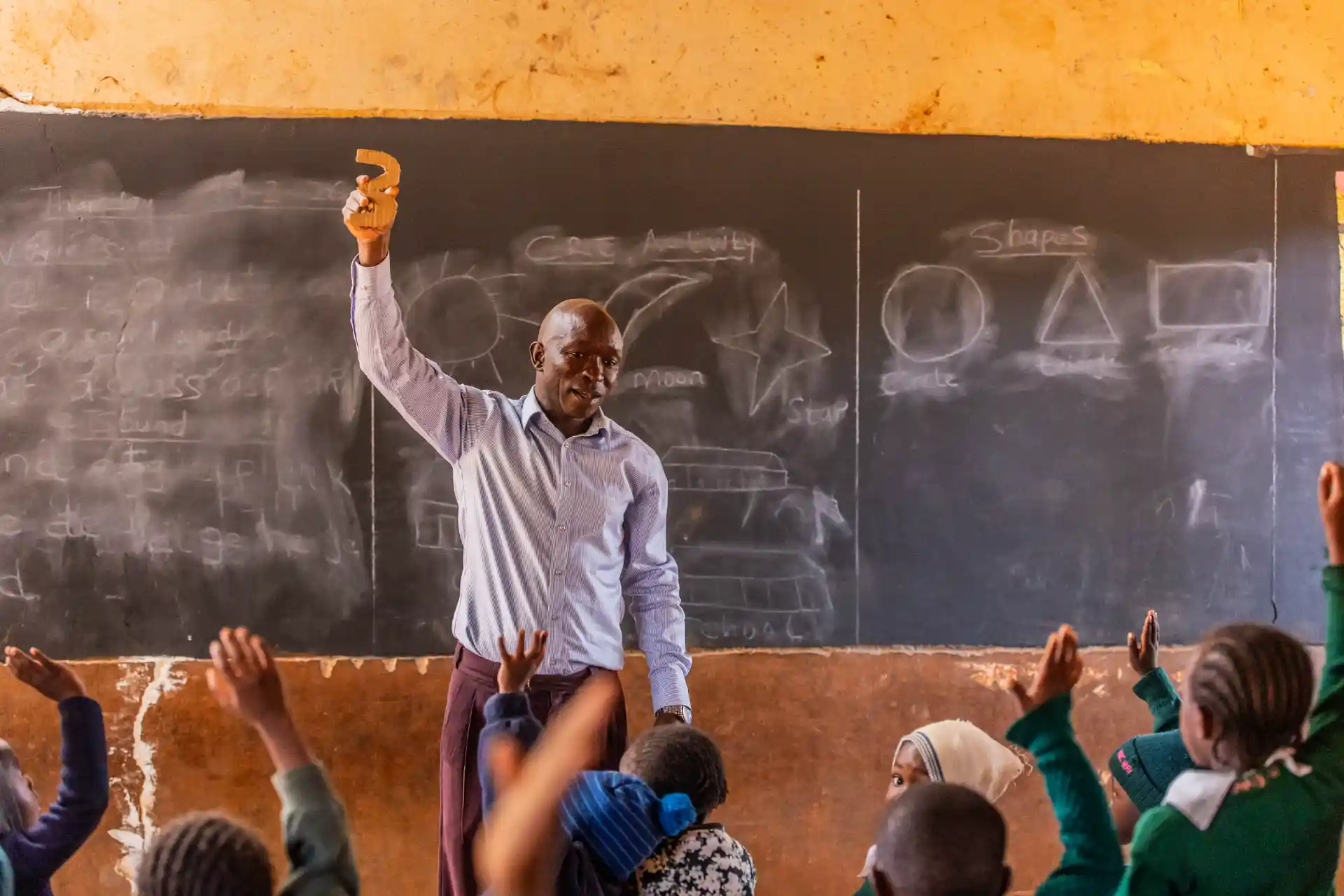
Amina, 15, is beginning to question her friendships and the world around her. She feels it is time to take charge of her life. She is not alone; millions of adolescents are navigating similar transitions. Beyond physical changes, their minds are also evolving, shaping their socio-emotional development.
According to the 2019 National Census, 19.1% of Kenya’s population (20% male and 19% female) is aged between 12 and 19. Adolescence marks the second peak of brain development, characterized by heightened plasticity, where neurons can gain or lose up to 25% of their connections weekly. This period is fundamentally about connection: between the brain, young people and their environments.
Yet, Kenya’s adolescents are facing a mental health crisis. The 2022 Kenya National Adolescent Mental Health Survey (K-NAMHS), 1 in in every 5 adolescents is experiencing a mental health condition. While mental health presents itself in different forms, depression and anxiety lead the list, according to the report. Even more troubling, only 3% of those affected receive any form of professional support. This gap is not just about access, it is about awareness, stigma, and lack of systemic attention. But all is not lost since the period presents itself with opportunities but also challenges. Therefore, it is important to continue examining the root cause of mental health among adolescents and generating evidence that can support robust programming for this group. There are various factors that trigger mental issues amongst adolescence, among them:
Neurological Factors:
Neurological changes during adolescence significantly influence emotional regulation and decision-making, as the brain’s emotional and reward systems mature earlier than the prefrontal cortex responsible for impulse control, planning, and long-term reasoning. While these developmental shifts are normal, they heighten adolescents’ sensitivity to stress, peer influence, mood fluctuations, and emotional instability. According to the Kenya National Adolescent Mental Health Survey (2022) conducted by the African Population and Health Research Center in collaboration with the Ministry of Health, 44.3% of adolescents aged 10–19 reported experiencing a mental health problem within a 12-month period, 12.2% met criteria for a diagnosable mental disorder, and anxiety affected approximately 26–27%, making it the most prevalent condition. Among older adolescents (14–17 years), about 9.9% experienced depression and 7.1% post-traumatic stress disorder.
While adolescence presents immense opportunity, it also comes with vulnerabilities. Understanding the root causes of mental health challenges is critical to designing effective interventions.
Key Drivers of Adolescent Mental Health Challenges
Adolescent pregnancy and marriage:
Adolescent pregnancy and child marriage are deeply linked to mental health struggles. In Kenya:
14.8% of girls aged 15–19 have experienced pregnancy
11.2% of girls are married before adulthood (compared to 4.3% of boys)
These experiences place immense pressure on young people who are still developing physically and emotionally. The burden of parenthood or marriage at such a stage can lead to anxiety, depression, and long-term psychological distress.
Marginalization of Abled-Different and Intersex Adolescents:
For the abled-different and intersex adolescents in Kenya, the journey of self-discovery is often overshadowed by societal rejection, invisibility, and systemic neglect all of which take a profound toll on their mental health. Abled-different adolescents more often than note utilize environments that are not designed to accommodate their needs. Whether it's inaccessible in classrooms, lack of inclusive learning materials, or social exclusion, these barriers send a damaging message. This persistent marginalization can lead to chronic stress and low self-esteem. Many internalize the stigma they face, which increases their risk of depression and anxiety. Without inclusive support systems, they struggle to build meaningful relationships, further deepening their emotional isolation.
Intersex adolescents, on the other hand, often grow up in silence their bodies misunderstood, their identities erased and boxed into the binary gender, without really considering their physical and social emotional development. These experiences can be deeply traumatic, leading to long-term psychological distress. The lack of public discourse and representation means many intersexes youth feel invisible. This identity suppression can manifest as anxiety and depression.
Interventions:
Addressing adolescent mental health requires a holistic and coordinated approach:
Strengthen school-based mental health systems through counseling, wellness clubs, and trained teachers
Expand peer-led programs that build resilience, confidence, and coping skills
Integrate mental health literacy into curricula and community outreach to reduce stigma
Improve access through helplines, digital platforms, and youth-friendly services
Provide targeted support for vulnerable groups, including gender minorities and abled-different adolescents
Currently, while 44.3% of adolescents report mental health challenges, only about 8–11% access support services, highlighting a critical treatment gap.
Adolescence is a critical window to invest in. If we fail to prioritize adolescent mental health today, we risk long-term social and economic consequences.
But if we act, intentionally and collectively, we will raise a generation that is not only surviving but thriving.