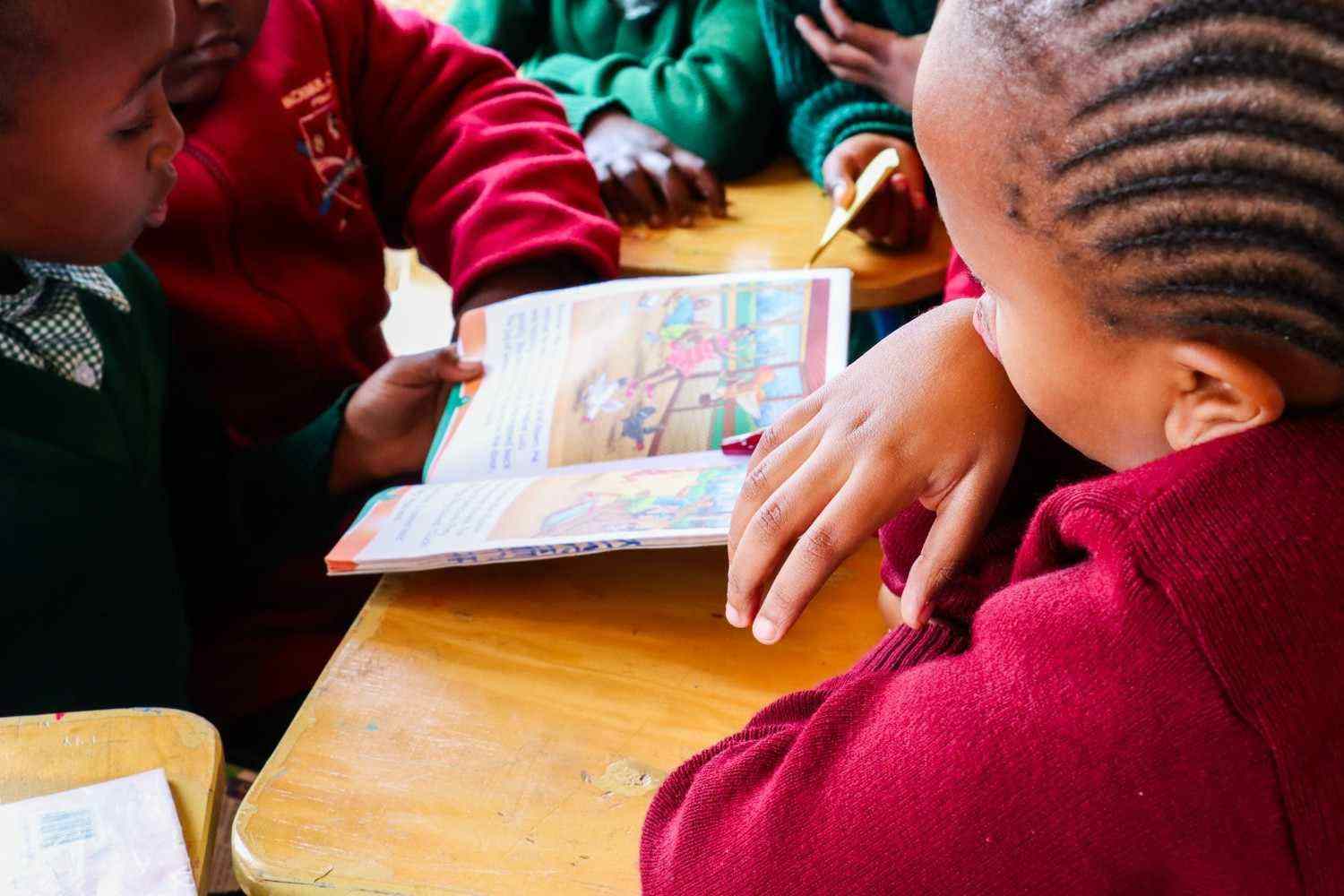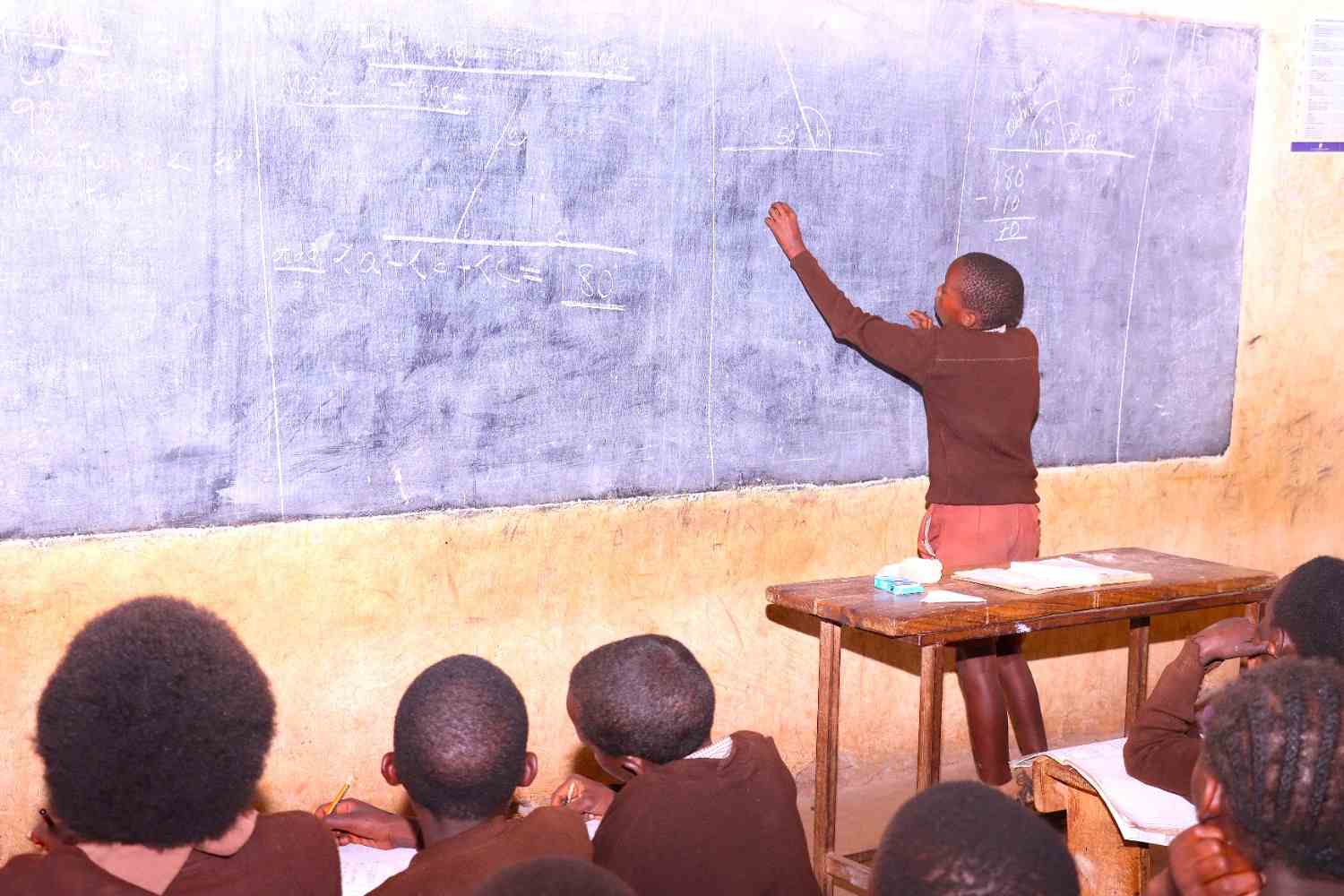
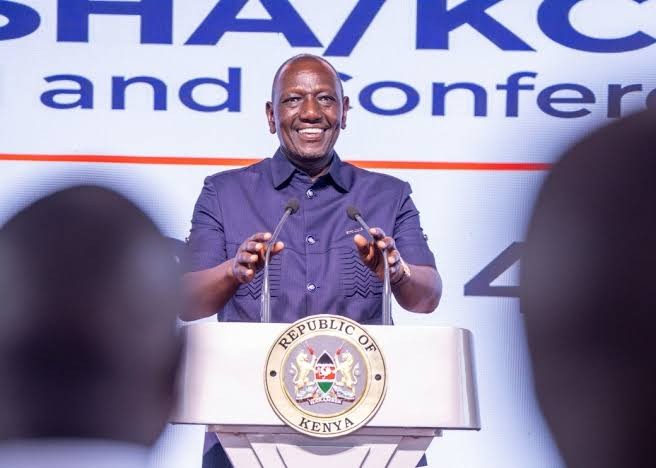
President William Ruto on Thursday asked Heads of Comprehensive Schools to make early-year learners the most protected in their schools. The President also set a National target of ensuring that every child in Kenya reads, writes and counts by the end of Grade 3.
Speaking on 12th November, during the closing of the 2026 Kenya Comprehensive School Heads Association Annual Conference in Mombasa, the President asked school heads to treat foundational learning (FL) as their priority and ensure that learners at early grades get the best teachers. These are teachers who help learners understand, develop skills, build confidence, think independently, and achieve their potential. The President put emphasis on 3 key issues;
Ensuring no child leaves grade 3 unable to read, write, or perform grade-level numeracy tasks, underscoring the critical role that learners’ formative years play in shaping their future academic attainments. It informs a lifelong trajectory in learning. Putting the best teachers where the stakes are highest. That is at the beginning. Grades 1, 2 and 3 are very important.
Turning classrooms into skills development spaces, where learners engage, manipulate and are active participants in their learning process. This is the spirit of Competence-Based Education.
He asked heads of the comprehensive schools to lead with integrity. Managing public funds and the children’s hope, protecting children from abuse and discrimination, no child left behind and, as envisaged in the curriculum framework, working with parents so that no school can succeed alone.
The President further directed the Ministry of Education, working with the Teacher Service Commission (TSC) and the Kenya National Examination Council (KNEC), to put in place an assessment and reporting system that will deliver the grade level goal in the shortest time possible to aid in tracking progress among learners and discussed at county level.
A child in Kenya must be able to read, write, and count by the end of Grade 3. We will measure progress every year, and we will publish the results, county by county and school by school, so that every parent can see how far we have come. I direct the Ministry of Education, working with the Teachers Service Commission, the Kenya National Examinations Council, county governments, and all of you, to put in place the assessment and reporting system that will deliver this goal in the shortest time possible.”
“Make Grades 1 to 3 the most protected years”
Under the Competency-Based Curriculum, Grades 1 to 3 form the foundation of primary schooling. The President told school heads to guard these years. “Make grade 1 to 3 the most protected years in your school,” he said, adding that early learning “informs a lifelong trajectory in learning.”
This comes as weak mathematics results across all levels, and especially nationally assessed grades, continue to worry educators. KNEC data show that more than half of candidates who sat for Kenya Certificate of Secondary Education (KCSE) in 2024 scored D+ or below in mathematics. Stakeholders have linked these poor results to literacy and numeracy gaps that have compounded over time from early years of learning.
The President’s goal echoes Mizizi Elimu Afrika’s 2040 strategic plan, which aims to improve foundational learning outcomes, including numeracy, literacy and life skills and values for at least 10 million children across Africa by 2040.
Why does foundational learning matter to us?
Foundational learning matters to us because it emphasizes more effort in the early years of learning. This is consistent with the Government’s call as both treat the early year learning as the base for all later learning.
Public accountability. Ruto’s promise of school-level results aligns with Mizizi’s three areas of focus, namely, numeracy, literacy, and life skills and values. Moreover, Mizizi’s approach is evidence-driven and uses research and data to track progress. This calls for greater accountability within the education ecosystem.
Teachers and systems. President William Ruto wants strong teachers in the early grades. Mizizi’s Elimu Afrika’s blueprint calls for reforms in teacher training and support, and in curriculum development, so that frameworks, materials, and assessment align with foundational learning goals.
Families and partnerships. President William Ruto encouraged parental engagement and better collaboration between Heads of Institutions and Parents. Mizizi’s plan stresses the role of families and communities in the early years, and seeks partnerships with governments, educators, communities, and civil societies.
“Foundational skills are the roots of every child’s future,” Dr. John Mugo, Executive Director, Mizizi Elimu Afrika.
At Mizizi Elimu Afrika, we welcome this pronouncements and look forward to working with others in the education sector to see every word turn into action for better outcomes for the child we welcome to school in 2027 and assess in 2030.